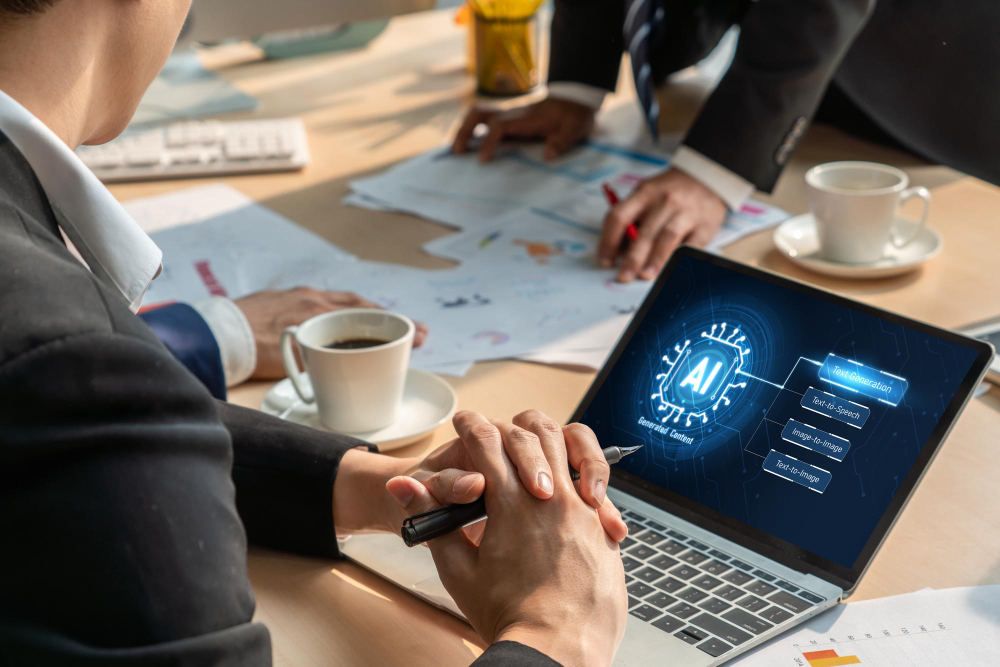

At a time when technology is paramount, the crucial importance of keeping your IT systems up to date cannot be overstated. Whether you're a business owner or a private user, it's vital to keep your IT systems up to date. IT infrastructure up to date. Regular system updates are a fundamental part of IT management and play an important role in business technology.
Neglecting regular updates can put your business at risk, compromising not only the security but also the efficiency and reliability of your IT infrastructure.
It is important to monitor all components, from software applications to updates of the operating system, and to ensure that they are updated quickly.
Thanks to the expertise of our developers, updating your software systems has never been easier with Iterates.
This approach not only protects against potential vulnerabilities, but also ensures that your systems are running at optimum performance, keeping your business safe and ahead in the digital race.
This blog post looks at the importance of IT maintenance, the consequences of neglect and how to approach updating IT systems.
Understanding computer systems
Definition of IT systems
A computer system is a complete installation comprising hardware, software and the network that enables them to work together. It forms the backbone of any technology installation, from individual devices to extensive IT infrastructures in multinational companies.
The efficiency and reliability of an IT system are essential, providing the basis for the execution of critical operations and processes in a variety of sectors. The integration of hardware, software and network components ensures seamless communication and data exchange, optimising performance and facilitating innovation.
As the technological heart of small and large-scale operations, maintaining and updating these systems is crucial to safety, productivity and the continued advancement of digital capabilities.
IT system components
The main components of an IT system include the hardware (the physical devices such as a computer, printer or server), the software (the programs and applications that run on the hardware) and the network (the infrastructure that connects the hardware and enables communication).
The synergy between hardware, software and network components defines the operational efficiency of an IT system.
The hardware serves as a tangible base, hosting and running software applications that perform specific tasks, while the network infrastructure facilitates the continuous flow of data and communication between devices.
This complex interaction is essential to the smooth running of digital processes, enabling everything from basic computing tasks to complex data analysis and internet-based operations across global networks.
The importance of updating your IT systems
Regular system updates play an essential role in strengthening security by correcting vulnerabilities. They also prevent hackers from exploiting vulnerabilities.
These updates also help to improve system performance through optimisations that enable software to run more efficiently.
What's more, by ensuring compatibility with the latest technologies and fixing bugs, updates help to keep IT systems reliable and running smoothly, underlining their importance in the digital ecosystem.
Enhancing safety
Keeping your software and IT systems up to date is essential to defend yourself against malicious software. malicious and other forms of malice.
These updates often contain patches for security flaws which, if left unpatched, can be exploited by hackers to infiltrate and damage your IT infrastructure.
By ensuring that system updates are applied regularly, organisations can significantly reduce their vulnerability to malicious attacks aimed at stealing, corrupting or ransoming valuable data.
This proactive measure not only protects the integrity of IT systems, but also prevents sensitive information from being compromised by constantly evolving cyber security threats.
Improving performance
Updating your operating system and IT infrastructure encompasses both software and hardware improvements, which is essential to keep pace with new devices and software features.
Obsolete software can severely hamper system performance, leading to inefficiencies and reduced productivity.
By ensuring regular updates, organisations can benefit from optimised processes and enhanced functionality designed for greater compatibility with modern technological requirements.
This not only streamlines operations, but also ensures that software and hardware components work perfectly together, maximising system efficiency and boosting overall workplace productivity.
Ensuring compatibility
One of the main reasons for updating software is to maintain compatibility with the latest technological advances, which often introduce new features and improvements.
It is essential to check for updates regularly to avoid compatibility problems that can arise when outdated systems try to interact with new software or hardware, which can lead to operational disruption.
Upgrades not only enable your systems to exploit the full potential of new technologies, they also help to improve performance by optimising existing functionality.
By staying current with updates, businesses can avoid the pitfalls of obsolescence and position themselves to take full advantage of digital transformation opportunities, ensuring that their IT infrastructure supports and enhances their business objectives.
Bug repair
Software updates are important not only to enhance security, but also to improve the user experience by fixing bugs that can disrupt the smooth running of the system.
These updates often address underlying security issues that could be exploited by attackers, while fine-tuning system functionality and performance to avoid crashes and other performance-related problems.
By implementing these updates on a regular basis, organisations can ensure that their IT systems operate efficiently, providing a seamless user experience that is free from the frustrations associated with software glitches and vulnerabilities.
This dual objective of security and operational integrity underlines the critical nature of regular system updates in maintaining a robust and user-friendly IT environment.
Consequences of not updating your IT systems
Neglecting to update IT systems allows hackers to exploit software vulnerabilities, leading to potential security risks that could compromise sensitive data and disrupt business operations.

These vulnerabilities act as entry points for malicious attacks, allowing unauthorised access to systems and data, which not only threatens the integrity and confidentiality of information, but also has an impact on productivity due to system downtime and recovery efforts.
In addition, obsolete systems can be plagued by software incompatibility issues, preventing the seamless integration and functionality of new applications and tools.
This combination of security risks, reduced productivity and compatibility problems highlights the critical need for regular updates to guard against cyber threats and ensure operational efficiency.
Potential safety risks
By neglecting regular updates, IT systems can become defenceless in the face of evolving cyber threats, leading to vulnerabilities that put sensitive data at risk.
Such exposure not only compromises network security, but can also lead to significant financial losses and damage to an organisation's reputation.
The cascading effects of these breaches underline the importance of continually updating systems as a fundamental practice for safeguarding digital assets and maintaining trust.
The presence of security flaws in obsolete systems underlines the importance of regular updates, which is an open invitation to cyber-attacks that exploit these weaknesses.
By prioritising ongoing system upgrades, organisations can close these gaps and significantly reduce the risk of breaches that put sensitive data at risk.
Reduced productivity
Obsolete IT systems are subject to slower processing speeds, longer response times and frequent breakdowns, all of which contribute to a marked reduction in performance.
These inefficiencies can have a serious impact on productivity, as tasks take longer to complete and system downtime increases. For businesses, this means not only frustrated employees, but also potentially dissatisfied customers who experience delays in service or response.
The cumulative effect of these problems can considerably hamper the company's activities, affect its results and compromise its competitive advantage in the market.
Regular updates and maintenance are essential to avoid these pitfalls and ensure that systems run smoothly and efficiently to support the day-to-day activities of the business.
Software incompatibility
As systems become obsolete, they often lack the specification or architecture to support newer software or hardware, leading to compatibility problems.
This incompatibility restricts access to the advanced features and functionality offered by the latest technological developments, limiting an organisation's ability to innovate and remain competitive.
As a result, companies may find themselves unable to adopt more efficient processes or offer cutting-edge services, which can hamper their growth and reduce their market position.
What's more, this technological stagnation can make it difficult to attract the best talent, who are looking for dynamic and innovative working environments.
Regular updating of systems is therefore essential to ensure compatibility with new technologies, encourage innovation and facilitate sustainable growth.
The process of updating IT systems
Software updates
Software updates, both for operating systems and applications, are generally designed to be convivial, Most modern systems have built-in mechanisms to automate the process.
These automatic updates can be scheduled during off-peak hours by means of a notification, minimising disruption to productivity. For users who prefer to have more control, manual updates allow them to review and install updates at a time that suits them.
Either approach ensures that the software remains up-to-date with the latest security patches, performance enhancements and new features.
Keeping up to date with these updates is essential to maintaining the security, efficiency and functionality of the system, enabling it to operate smoothly and perform at its best.
Keeping your software up to date can be a daunting task. At Iterates, our experts can help. Don't wait any longer and contact us today.
Updating equipment
Upgrading hardware, such as installing a faster processor or adding memory, is a practical way of improving system performance and extending the life of existing equipment.
Unlike software updates, hardware updates involve physical changes to the computer, requiring a certain degree of technical knowledge to ensure compatibility and successful installation.
For businesses, this often means calling on IT support professionals who can assess the capabilities of the current system, recommend appropriate upgrades and carry out the installations. They recommend appropriate upgrades and carry out installations with minimal disruption to operations.
These upgrades can significantly improve the efficiency of work processes, support newer software that requires more resources and, ultimately, contribute to the overall productivity of the organisation.
Overcoming the difficulties of updating IT systems
Financial constraints
Although upgrading IT systems represents a financial challenge, particularly for small businesses, the investment is justified when weighed against the potential costs of a security breach, which can include data loss, legal liabilities and reputational damage.

Cost-effective IT solutions, such as cloud services, Open source software and hardware upgrades can mitigate these costs while maintaining a high level of security and performance.
These options are scalable and flexible, allowing businesses to pay only for what they need and to adapt as they grow.
In addition, using managed IT services can further reduce costs by providing expertise and support without the need for a full-time IT team.
Ultimately, investing in systems upgrades and adopting strategic, cost-effective solutions is essential to protecting business operations and ensuring long-term success.
Contact us today for cost-efficient solutions based on our expertise.
Technological barriers
The complexity of updating systems can be overwhelming, particularly for businesses that do not have a dedicated IT department. Seeking the help of IT service management professionals can ease this burden considerably.
These experts provide not only the technical know-how required for smooth and efficient upgrades, but also advice on best practice and strategic planning to ensure that systems remain secure, compatible and efficient over time.
What's more, they can provide ongoing support and maintenance, reducing the risk of potential problems after the upgrade. Using IT professionals is a strategic move that can help demystify the upgrade process.
As a result, businesses can continue to operate efficiently without having to manage their IT infrastructure on their own.
Resistance to change
Resistance to change is a common problem when it comes to upgrading systems, as users often prefer the familiarity of old systems.
However, the benefits of adopting newer technologies - greater safety, improved efficiency and access to innovative features - far outweigh the comfort of maintaining the status quo.
This resistance can be overcome through education and awareness-raising efforts that clearly communicate the tangible benefits of upgrades and how they contribute to the overall success and sustainability of the organisation.
Training sessions, resources and support can ease the transition, helping users to understand and adapt to the new systems.
Ultimately, it is essential to foster a culture that values continuous improvement and technological progress in order to minimise resistance and exploit the full potential of system upgrades.
Conclusion
In conclusion, the need to keep IT systems up to date cannot be overstated. Regular updates are the cornerstone of cyber security, strengthening defences against constantly evolving cyber threats. At the same time, they improve performance and ensure full compatibility with new technologies.
Although the process can present logistical and financial challenges. Particularly for smaller organisations, the alternative - vulnerability to attack, operational inefficiency and potential damage to finances and reputation - represents a far greater risk.
Being proactive about upgrading and modernising IT systems is not just good practice; it's an essential investment in the future resilience and success of any organisation.
This is essential if businesses are to remain competitive, secure and ready to meet the demands of the digital age.
Don't forget that the world of technology is constantly changing. Stay up to date, stay safe. The importance of IT maintenance means a smoother, more secure digital experience.
Take a step further by discovering the tools that can help your business with confidentiality and anonymisation of data.