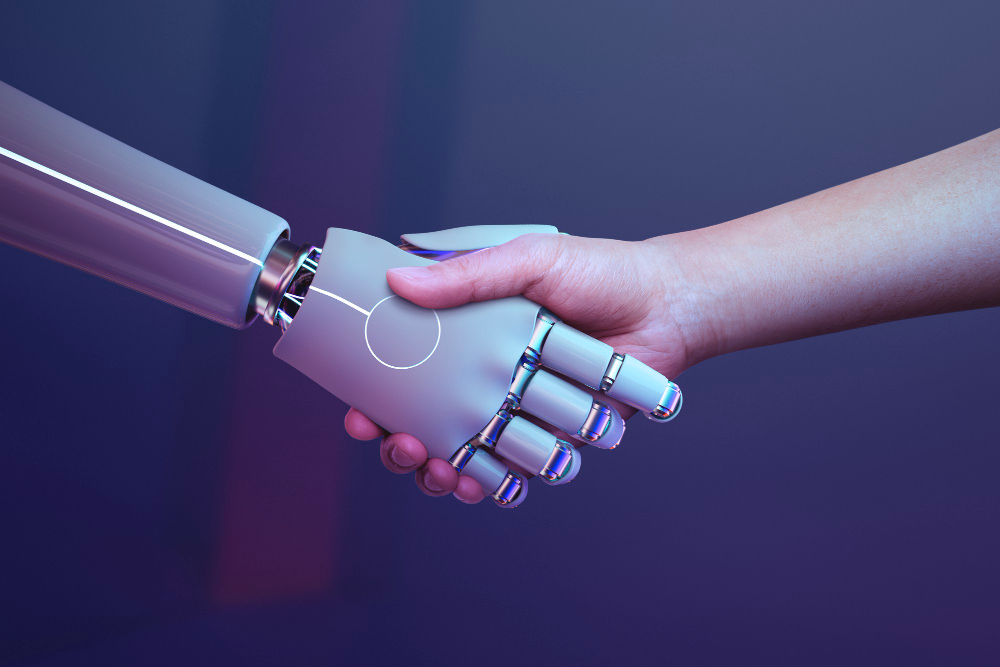

Conversational artificial intelligence is redefining our relationship with information. Among the emerging uses, one figure stands out: 5 % of searches on ChatGPT relate to health issues. Far from being anecdotal, this proportion reveals a profound shift in our digital behaviour and opens up unprecedented prospects for the e-health sector.
A new era in medical information research
Instant health care
Faced with a worrying symptom, a prescription that's difficult to decipher or a simple question about their well-being, users are looking first and foremost for an answer to their questions. immediate response without delay, These are the kinds of expectations that conversational assistants are designed to meet. Conversational assistants meet precisely these expectations. Unlike traditional search engines, which return a list of links, AI engages in a conversation: the user asks a question, rephrases it, refines its context and deepens their understanding in a matter of seconds. This interactivity transforms AI into a genuine initial guidance tool.
Massive, unmistakable volume
On a global scale, 5 % of the requests processed by ChatGPT represent a considerable volume:
- From millions of questions every day health-related
- A regular and increasing use on sensitive issues
- A confidence signal strong commitment to these technologies
These figures show that health is already a key area of use for intelligent assistants, and not just a passing fad.
Major opportunities to transform digital health
Democratising access to medical information
In many regions, consulting a healthcare professional is an obstacle course. AI can be used as a first level of information to decipher complex medical terms, clarify the nature of common symptoms, direct patients to reliable medical resources and encourage consultation when the situation requires it. The aim is obviously not to replace doctors, but to strengthen health education and improve patient guidance.

Tailor-made healthcare support
One of the major advantages of conversational AI is its ability to adapt. It can adjust its responses according to the age, profile or history of the user, understanding the nuances of each individual situation, and offering truly targeted information support. This personalisation is particularly valuable in the healthcare sector, where each case has its own specificities.
Accelerating innovation in e-health
The popularity of health queries on ChatGPT shows that a wide audience is already ready to adopt these tools. This acceptance is encouraging the emergence of :
- Automated patient support platforms
- Intelligent medical pre-referral tools
- AI-enabled wellbeing monitoring applications
- Digital assistance services for care facilities
For entrepreneurs and players in the healthcare sector, this is a strategic area with very high potential.
Turning these opportunities into reality: the key role of technical expertise
Tailor-made AI solutions for the healthcare sector
Faced with these possibilities, the technical implementation becomes decisive. Integrating AI into a healthcare service requires expertise, rigour and compliance. Iterates, a specialist development agency based in Brussels, supports organisations in their digital transformation.
The agency designs applications incorporating artificial intelligence technologies capable of :
- Responding to user queries in real time
- Providing contextualised and relevant information
- Automate customer support processes
These solutions are tailored to the specific needs of each organisation, whether it's an innovative start-up, a private clinic or a major digital platform.
Technical integration and advanced automation
Iterates is also involved in crucial technical aspects: the’AI API integration in websites or mobile applications, connecting with existing tools (CRM, databases, internal platforms), and automating information flows to optimise processes. This approach enables the full power of intelligent systems to be harnessed, while guaranteeing seamless integration into the existing technological ecosystem.
Safety, compliance and ethics: essential pillars
In the healthcare sector, protecting personal data is not an option. Iterates supports its customers in the secure management of sensitive data, strict compliance with regulations such as the RGPD, and the implementation of good ethical practice in relation to AI. This safety and regulatory dimension is crucial to building sustainable and credible solutions for users and health authorities.
Practical applications: from theory to practice
Patient support chatbots: 24/7 availability
Intelligent assistants can now instantly answer frequently asked questions, guide patients through administrative procedures and provide general information before a consultation. These tools significantly improve the user experience while reducing the workload for medical and administrative teams.
Pre-orientation systems: sorting and prioritising
AI tools analyse the information provided by users to assess the level of priority of a situation, direct them to the right service or specialist, and encourage rapid consultation in the event of warning signs. This pre-orientation optimises the care pathway and avoids overcrowding in emergency services.
Mobile applications for personalised monitoring
AI-enabled applications make it possible to offer wellness advice tailored to the individual's needs. user profile, It can also be used to monitor certain declarative health indicators, and to encourage users to take a proactive approach to prevention.
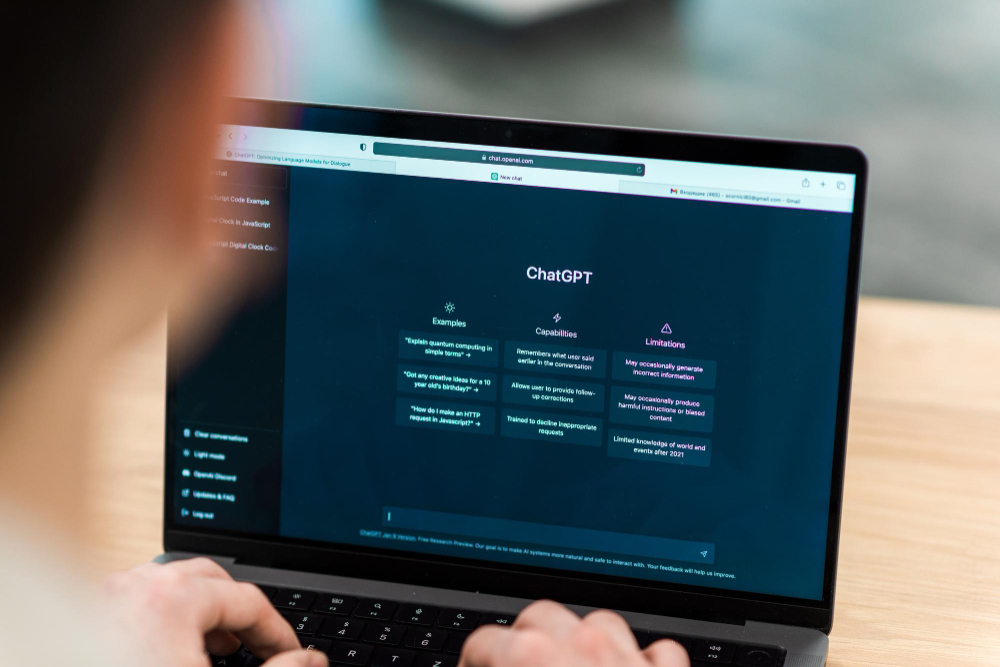
The challenges of responsible deployment
Despite the considerable opportunities, there are a number of issues that need to be rigorously addressed:
The reliability of information
AI must provide accurate and up-to-date information. Hallucinations or factual errors can have serious health consequences.
Protection of personal data
Health data is one of the most sensitive types of data. The collection, processing and storage of this data must comply with the following maximum safety standards.
The strict regulatory framework
The healthcare sector is subject to particularly demanding regulations (RGPD, medical devices, etc.). Any solution must comply scrupulously with these.
Complementarity with healthcare professionals
AI must remain an information and guidance tool, never a substitute for medical diagnosis. This boundary must be clearly established and respected.
An opportunity to be seized with expertise
The 5 % health queries on ChatGPT are just the tip of the iceberg. They signal a profound transformation in the way people search for and consume medical information. For e-health players, this trend represents a major strategic opportunity.
However, success in this area requires much more than simple technological adoption. It requires solid technical expertise, a in-depth understanding of regulatory issues and a ethical commitment without fail. Partners such as Iterates enable organisations to turn this opportunity into concrete, effective and responsible solutions for more accessible and better informed healthcare.