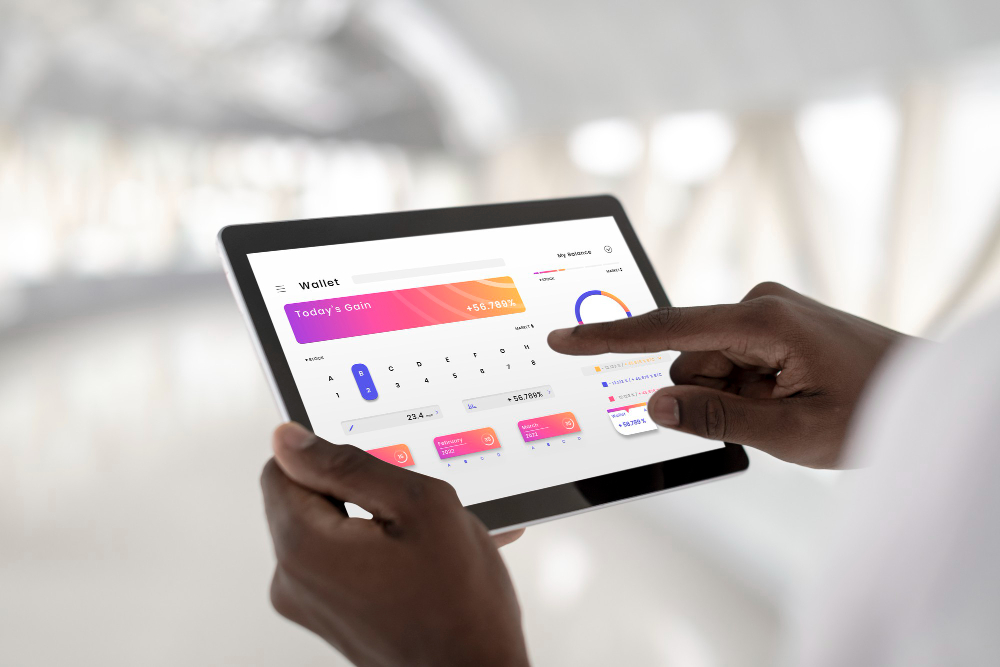

As artificial intelligence (AI) becomes increasingly integrated into digital experiences, the debate on the evolution of UI/UX design is intensifying.
Jakob Nielsen, a leading authority on UX design, insists that UX professionals need to strengthen their AI expertise to stay relevant, as AI continues to shape the future of interfaces. If you're curious about his full views, you can read it here here. But as AI rapidly evolves, one crucial question remains:
What does the integration of AI really mean for front-end development and UX design? How can designers and developers harness AI to create engaging and personalised experiences, while respecting the fundamental principles of user-centred design? The answer lies in understanding that AI will not replace human designers, but will make them more powerful.
In this article, we explore :
- The major trends influencing the impact of AI on UI/UX design,
- The new challenges it brings,
- And how the design community can embrace AI to improve creativity, ethics and user experience.
The changing role of UX in the age of AI
The role of AI in UX design is not just about adding machine learning capabilities to an interface. It represents a fundamental change in our very approach to design. AI is forcing us to rethink workflows, the tools used and collaboration. Key trends include:
New players in the design process
The introduction of AI into design is bringing in new key players. Data scientists, ethicists and legal experts are becoming key collaborators in UX projects. With the growing complexity of AI, the need to address ethical issues such as bias, transparency and accountability is widening the scope of collaboration. This is no longer just a matter for designers and developers, but also for those who understand the wider implications of AI.
- Data scientists : Analyse data to guide design decisions, ensuring that AI makes accurate, data-driven recommendations.
- Ethicists : Advising UX professionals to ensure that AI systems are designed fairly and responsibly, reducing the risk of bias or abuse.
- Legal department: Ensuring legal compliance, particularly in terms of data confidentiality and use, so that designs comply with regulations.
This multidisciplinary approach ensures that AI technologies are not only user-friendly, but also ethically responsible. To find out more, visit Will AI Replace UX Designers?.
The probabilistic nature of AI design
Unlike traditional design, where results are more predictable, AI-driven design can sometimes produce unexpected results based on data patterns. This makes the process less linear and more iterative, requiring more flexibility from designers. As AI systems evolve, the human element becomes crucial to supervise, interpret and refine these unpredictable results.
For example, AI may suggest an innovative design, but the human designer must assess whether it matches the brand's identity or ethical standards. The unpredictability of results requires us to design not for fixed solutions, but for adaptive decision-making in real time.
Trustworthy AI: the new UX mandate
In a world dominated by AI, UX designers must ensure that users can trust the systems with which they interact. This means designing AI systems that are transparent, explainable and accountable. Issues such as bias, fairness and understandability are at the heart of building trustworthy AI products. The UX community faces a new challenge: reconciling usability with these ethical concerns.
Although AI can process huge volumes of data and generate design suggestions, it still lacks the human intuition and empathy needed to create truly user-centred experiences. Human designers remain indispensable for examining AI results, interpreting ambiguous user feedback and making decisions that value the emotional and social aspects of design - elements that AI still has very little control over.
Integrating ethics into UX design is not just a legal or moral obligation, it's also a factor in user loyalty and satisfaction. Designing AI interfaces that are transparent about their capabilities and limitations enables users to make informed decisions, fostering trust and long-term commitment.
How AI is transforming front-end development
As AI technology advances, so does its influence on front-end development. Developers are increasingly using AI tools to facilitate a variety of tasks. Here are some key ways AI is transforming this process:
Customised user interfaces
AI makes it possible to create more personalised and intuitive user experiences by analysing user behaviour and adapting interfaces in real time. AI-driven personalisation can automatically adjust page layouts, suggest content or modify functionalities according to individual preferences.
For example, if a user interacts frequently with a certain type of content, AI can prioritise that content or adjust the layout to highlight similar elements. This level of personalisation makes the experience more fluid and engaging.
Automation of repetitive tasks
AI-powered tools simplify many routine tasks for front-end developers. From automatic design recommendations to code completion and layout adjustments, these tools predict next steps and automate tedious tasks.
This allows developers to concentrate on higher-level creative tasks, ensuring faster and more consistent production. AI systems also assist with tasks such as adjusting text sizes or generating graphic elements in line with the graphic charter.
Intelligent design systems
Machine learning helps create smarter design systems that adapt to the context of the project. By learning from user interactions, AI can suggest colour palettes, layouts and fonts that best match the brand and user preferences, speeding up the process and enhancing consistency.
As AI collects more data, it can also provide insights into the performance of design elements with different user segments, enabling more data-driven decisions.
The future of UI/UX
As AI progresses, its role in front-end development is likely to grow, but it is unlikely to completely replace human designers. On the contrary, AI will be a tool for improving and optimising the design process. Here are some emerging trends to watch out for:
Voice and gesture interfaces
As AI evolves, more and more interfaces will be based on voice or gesture. Front-end developers will need to integrate AI-driven voice recognition and gesture control to deliver fluid, hands-free experiences.
This change involves a fundamental overhaul of navigation and interaction methods, as well as greater attention to accessibility for all users.
Improved accessibility
AI also plays a role in improving the accessibility of digital experiences. AI tools can ensure that web content is optimised for people with disabilities, with real-time translations or adaptive interfaces.
For example, AI systems can automatically adjust text size or contrast according to visual preferences, and detect when alternative formats such as audio descriptions or subtitles are required.
Predictive user experience
Front-end developers will use AI to predict user needs. By analysing data and behaviour, AI will be able to suggest actions or content even before the user requests them, creating a proactive experience.
For example, an AI system could recommend a product based on past interactions or anticipate a need for help to offer proactive support.
Conclusion
While AI is transforming the UI/UX design landscape, it is not replacing human creativity and expertise. It will be a powerful tool for improving the ability to design intuitive, personalised and ethical digital experiences. The role of UX designers will evolve to integrate these AI tools while continuing to prioritise user experience and ethical considerations.
At Iterates, we understand the complexities of integrating AI into digital products, and we're here to support you through this exciting future. If you want to bring your mobile or web application project to life, our team of experts will guide you every step of the way, from consultation to execution, to turn your vision into reality.
Ready to make your next project future-ready ? Contact us today and let's make your vision a reality.