As UX/UI design evolves, it pushes the boundaries even further by merging advanced technology with human-centred creativity. Current trends highlight a move towards personalisation and immersive practices, while maintaining a strong focus on accessibility and ease of use. Let's explore how these innovations will shape the future of digital experiences and inspire the next wave of design.
Here are the UI/UX trends we've selected for you:
Minimalist trends
Minimalism in 2025 is anything but basic. While clean lines and clutter-free layouts remain essential, designers are energising the whole with playful and unexpected elements:
Asymmetry : Instead of rigid grids, layouts flow naturally, drawing attention where it counts.
Interactive minimalism : Buttons that undulate when clicked or icons that bounce subtly when hovered breathe life into static designs.
Strategic colour keys : Vibrant accents guide the user's gaze without overwhelming it.
Take Spotify, for example. Its interface epitomises clean design, but it doesn't stop there. Bold typography and subtle movements effortlessly guide you through your playlists, making minimalism look anything but boring. It's minimalism reinvented, not just functional, but full of character.
Breaking the rules of simplicity
Of course, the challenge with this playful approach is knowing when to stop. Imagine preparing a minimalist pasta dish and thinking: «What if I added just one more spice? Before you know it, you'll have lost the simplicity that made it special. This is the balancing act that designers need to master: keeping minimalism simple while adding just enough personality to make the experience memorable.
Trends Morphism: a new dimension in design
Beyond minimalism, morphism has emerged as one of the most exciting trends redefining the digital landscape. This category encompasses several sub-trends such as Glassmorphism, Skeuomorphism and Claymorphism, each bringing its own unique aesthetic.
- Glassmorphism : Imitating the look of frosted glass, it features semi-transparent backgrounds and vibrant suspended elements. This style creates a sense of depth and is very popular in modern, technology-oriented applications.
- Skeuomorphism : It integrates real-world textures into digital interfaces, recreating realistic buttons, dials and textures to make digital designs more familiar and tangible.
- Claymorphism : Focusing on playful 3D elements with soft shadows, muted colours and rounded edges, it is often used in the creative industries to evoke a relaxed and accessible atmosphere.
These morphic styles are ideal for sectors that want to stand out from the crowd. Think gaming, fintech or creative agencies. Glassmorphism, for example, goes particularly well with minimalist designs. It adds an immersive depth. It also incorporates frosted glass elements into menus or navigation bars.
Would you like to explore these trends in more depth? Visit this detailed article on morphism by Dart Studios.
Gamification: turning tasks into games
Gamification has been a buzzword for years, but in 2025 it will take centre stage in UI/UX design, transforming mundane tasks into engaging experiences.
- Reward systems : The platforms incorporate points, badges and progress bars to keep users motivated. Applications such as Duolingo and Habitica are perfect examples of how gamification can encourage learning and the formation of habits.
- Narrative elements : Designers integrate narratives into workflows, allowing users to feel like active participants in a story rather than mere spectators.
- Interactive challenges : Features such as series, challenges and leaderboards are seamlessly integrated into the applications, fostering a sense of achievement and competition.
By combining playful elements with user-friendliness, gamification ensures that users remain engaged, productive and loyal to the platforms.
Industries benefiting from gamification
- Retail businesses : Starbucks is an outstanding example, thanks to its loyalty scheme that allows customers to earn points (or «stars») with every purchase. These points can be exchanged for free drinks or exclusive rewards, keeping customers engaged and encouraging repeat purchases.
- Fitness applications : Apps like Fitbit and Nike Training Club make exercise fun with challenges, achievements and leaderboards, helping users stay motivated and committed to their fitness goals.
By applying gamification to their platforms, companies in the retail, fitness, education and wellness sectors can foster deeper engagement, strengthen loyalty and increase customer satisfaction. This trend ensures that users remain productive, motivated and loyal to the platforms they enjoy.
The discreet slider gets a creative makeover
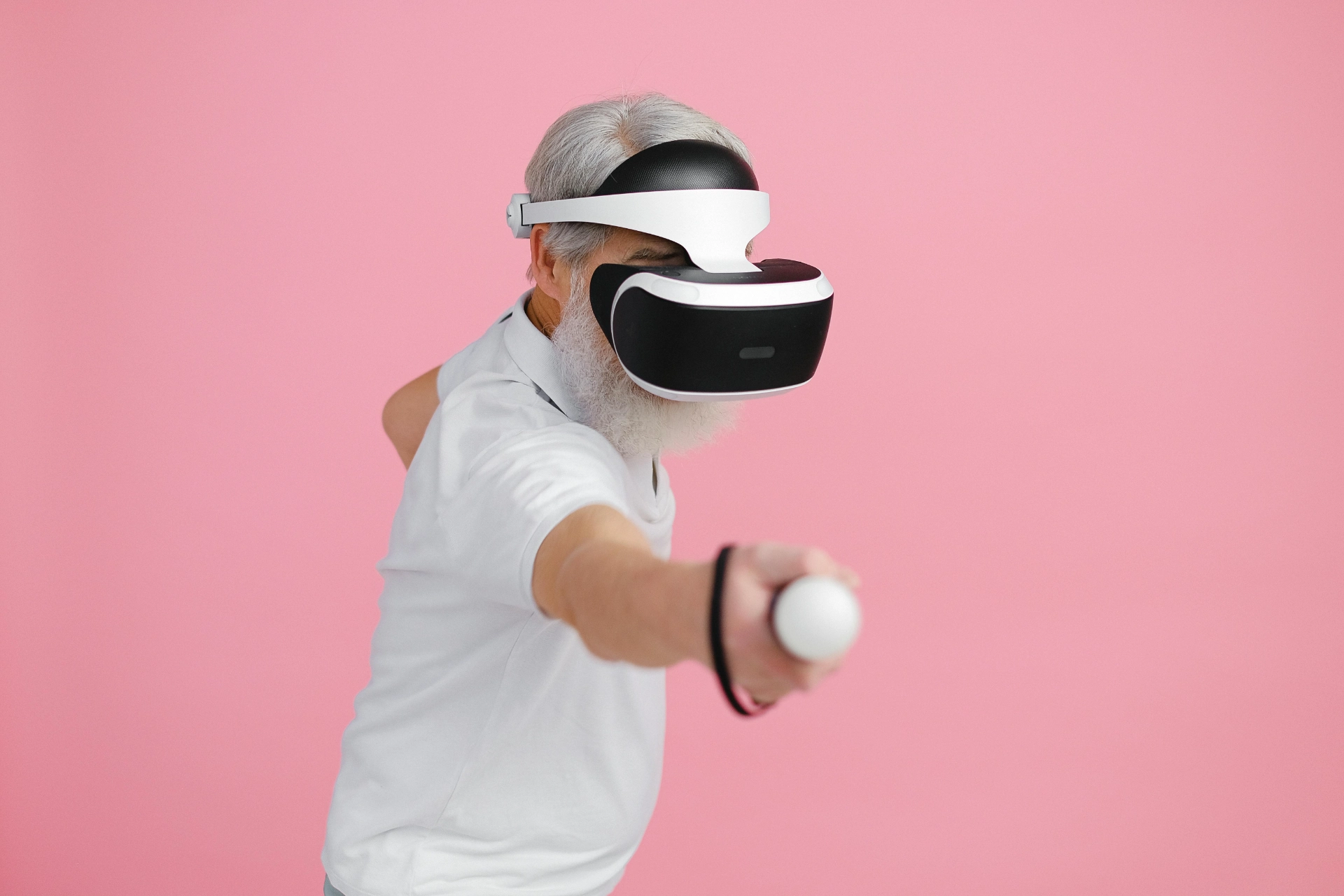
The humble cursor is being transformed in 2025, from a simple static tool to an interactive design element that enhances user engagement.
Dynamic feedback :
Cursors now react to user actions in real time. They grow, shrink or change shape depending on the context. For example, when hovering over links or buttons, the cursor is transformed into a hand icon. It can also adopt a wave effect.
Custom cursors :
The platforms integrate branding into the design of the slider, using bespoke animations that reflect the brand's identity.
AI-driven cursors :
Intelligent cursors can anticipate the user's intention, offering subtle guidance by pointing to key elements or displaying tooltips.
Think of the world of video games, where cursors are often used as interactive tools. This trend is now making its way into consumer digital design, adding a dimension of intuitiveness and playfulness to user interactions.
Example
Discover Myriad Video, a creative agency specialising in video. Their site features a personalised slider. The slider reflects their brand personality and adds an interactive layer to the user experience. This design choice demonstrates how a carefully thought-out cursor can make navigation more engaging and memorable. Personalised cursors are set to become a standard feature in UI/UX. They help to create more immersive and personalised digital experiences.
Trend Bento Box design: organised, intuitive layouts
The concept of Bento Box Design is inspired by the Japanese tradition of compartmentalised meals, and applies it to UI/UX layouts to provide clarity and organisation.
- Segmented layouts :
Information is presented in neat, visually distinct containers, making it easy for users to navigate. - Customisation :
Bento-inspired dashboards allow users to customise sections according to their priorities, such as quick access to their favourite tools or resources. - Responsive design :
These layouts are highly adaptable, guaranteeing optimal display on all devices, from desktops to smartphones.
Bento Box Design is particularly effective in data-rich applications. It is ideally suited to analysis tools and project management platforms. In these contexts, organisation is essential to user satisfaction.
Free resources to get you started
You want to join the Bento Box Design in your projects? Go to BentoGrids.com to get free Figma templates for Bento Box layouts. These ready-to-use templates will save you time while helping you create visually stunning, well-organised designs.
Designing the future
The UI/UX trends of 2025 reflect a bold fusion of creativity and practicality. Dark mode, with its enduring appeal, is redefining digital experiences. The playful reinvention of sliders is also making its contribution. Gamified experiences and Bento-inspired layouts offer innovative alternatives. Together, these trends emphasise engagement, personalisation and inclusivity.
Whether you're looking to improve the design of your existing application or to turn an application idea into reality, now is the perfect time to act. Let's turn your vision into a beautifully designed, user-friendly reality. Contact us today to get started!