
In the digital age, the need to secure business operations has never been more crucial. Small and medium-sized enterprises (SMEs), in particular, need to prioritise cyber security to protect their sensitive data from cyber threats.
One effective security measure is two-factor authentication (2FA), a powerful tool in the SME security arsenal. This blog post explores the importance of two-factor authentication, its role in SMEs and future trends in this authentication method.
Cyber security is no longer a luxury, it's a necessity. With the number of cyber threats on the rise, every business, whatever its size, is vulnerable to attacks that can compromise its activities. For small and medium-sized enterprises (SMEs), the stakes are even higher. They need to implement rigorous security measures to protect their business data and retain the trust of their customers. One such measure is two-factor authentication (2FA), an essential element of business security.
Understanding two-factor authentication
Definition of two-factor authentication
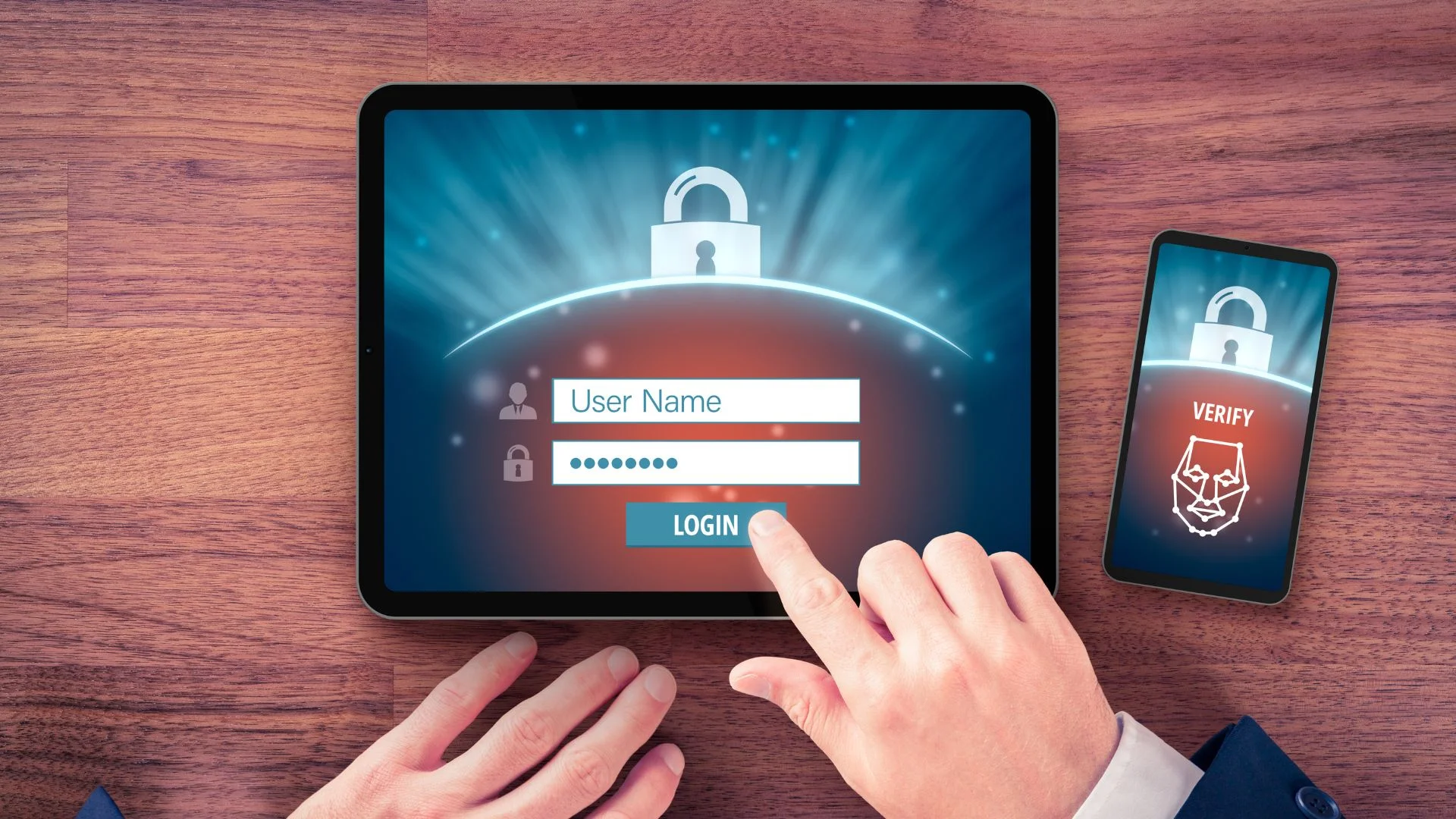
Two-factor authentication is a security process in which users provide two different authentication factors to verify their identity. Instead of relying solely on passwords, two-factor authentication adds an extra layer of security by requiring a second form of identity verification, making it more difficult for potential intruders to gain access to an account or network.
How two-factor authentication works
The two-factor authentication process involves a combination of two distinct factors: something you know (such as a password), something you have (such as a mobile device or smart card), or something you are (such as a fingerprint or facial recognition). When logging into an account, after entering the username and password, the user is prompted to enter a second form of authentication. Only when both factors have been correctly verified is the user granted access.
Here's a short video to give you a more in-depth understanding of two-factor authentication.
Importance of two-factor authentication
Enhancing safety
Two-factor authentication (2FA) is an essential barrier in the prevention of fraud. data breaches, Two-factor authentication is an effective way of securing accounts beyond the simple password. In a digital world where data breaches have become increasingly common, two-factor authentication adds an essential layer of protection.
When users try to log in, they are asked not only for their password, but also for a second form of verification. This may be a code sent to their mobile device, a biometric factor such as a fingerprint or physical token. This additional security measure significantly reduces the risk of unauthorised access, even in cases where passwords have been compromised.
By requiring something the user knows (the password) and something they have (second-factor access), attackers find it much harder to breach accounts, protecting sensitive personal and financial information from exposure.
The importance of 2FA becomes even more apparent in the context of stolen credentials. Cyber attackers often rely on obtaining passwords through phishing, of malicious software or by exploiting security weaknesses.
However, with 2FA in place, the effectiveness of stolen credentials is greatly diminished. This is because the attacker must also possess the second authentication factor, which is much more difficult to obtain, especially in real time.
As a result, 2FA is not only an additional barrier, but also a powerful deterrent to cyber attacks. More and more organisations and individuals are adopting 2FA as part of their cyber security strategy, recognising that it is a cost-effective way to improve their defences against the ever-changing landscape of cyber threats. With its simple yet effective approach, 2FA plays a vital role in protecting digital identities and maintaining the integrity of online systems.
Preventing unauthorised access
The implementation of two-factor authentication (2FA) introduces an additional layer of security that significantly strengthens defences against unauthorised access, effectively acting as a gatekeeper to ensure that only verified users can access sensitive information.
By requiring not one, but two proofs of identity, the 2FA system provides an extra layer of protection that makes it much harder to hack into your account.
The requirement for a second verification, whether it's a text message code, an authentication application or biometric data, means that even if a hacker managed to obtain your primary password, the likelihood of them also gaining access to your second form of authentication is considerably low.
This dual-requirement mechanism effectively deters potential cyber threats, protecting personal and business data from the increasingly sophisticated methods employed by hackers to gain unauthorised access.
Protection against phishing attacks
Phishing attacks pose a significant threat to businesses of all sizes, particularly small and medium-sized enterprises (SMEs), as attackers often trick users into revealing their usernames and passwords through seemingly legitimate requests.
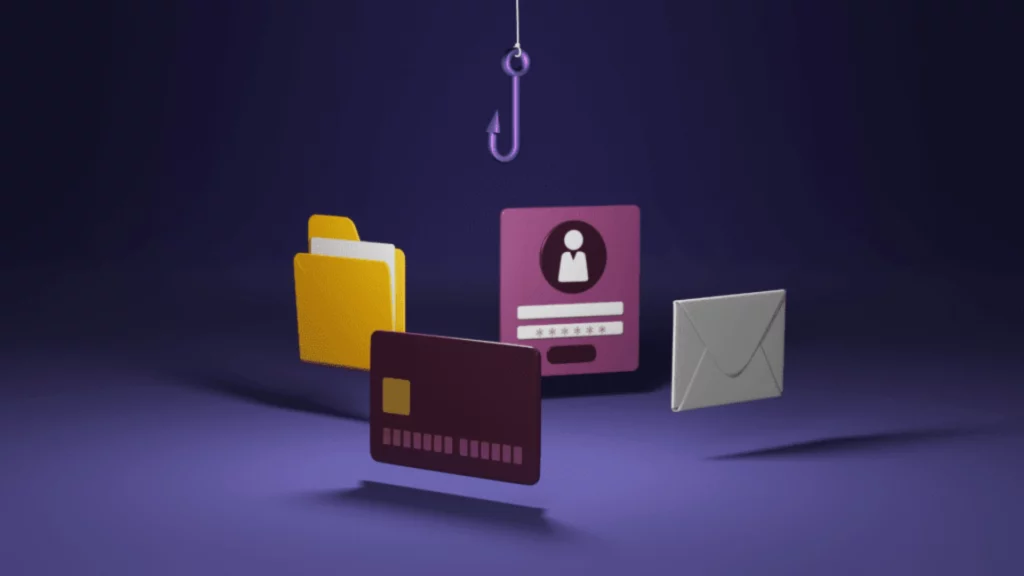
However, the implementation of two-factor authentication (2FA) can provide a powerful countermeasure to these types of cyber threats. With two-factor authentication, even if a user is tricked into providing their login credentials, attackers still face the daunting challenge of acquiring the second authentication factor.
For many 2FA configurations, this may involve intercepting a text message sent to the user's phone, which contains a code required to complete the login process.
This additional verification step significantly enhances security, as it is virtually impossible for hackers to gain unauthorised access using stolen credentials alone.
By adopting 2FA, small and medium-sized businesses can more effectively protect their digital assets and customer data, strengthening their overall cyber security position and ensuring peace of mind for business owners and their customers.
The role of two-factor authentication in small and medium-sized businesses
Protecting sensitive commercial information
For small and medium-sized enterprises (SMEs), implementing two-factor authentication (2FA) is a crucial defence mechanism, adding a strong layer of security that protects sensitive business information from increasingly sophisticated cyber threats.
By requiring a second form of verification in addition to the password, two-factor authentication considerably reduces the likelihood of unauthorised access, even if the password has been compromised.
This security measure not only strengthens data security, but also the overall cyber security position of SMEs, protecting their assets, customer confidence and reputation in a digital world.
Building trust with customers
In today's digital landscape, where cybersecurity threats are significant, small and medium-sized enterprises (SMEs) have a unique opportunity to build and strengthen trust with their customers by adopting strong security measures such as two-factor authentication (2FA).
When customers see that a company requires an additional verification step to access an online account, it is a clear signal that the company is serious about protecting their privacy and the security of their data. This commitment to secure business operations goes a long way towards building a solid foundation of trust.
For customers, knowing that their personal and financial information is protected from potential threats not only increases their confidence in the security of online transactions, but also in the integrity of the company itself.
By implementing this authentication process, SMEs not only protect their business from the disastrous consequences of data breaches and cyber attacks, but also position themselves as trusted custodians of their customers' sensitive information, which is invaluable in cultivating long-term customer loyalty and trust in an increasingly digitised world.
Compliance with regulatory standards
The adoption of two-factor authentication (2FA) has multiple benefits for small and medium-sized enterprises (SMEs), particularly in the context of regulatory compliance and reputation management. Many sectors are governed by strict regulations that require businesses to implement robust measures to protect customer data. Visit GDPR is one of the regulations protecting customer data.
By integrating 2FA, SMEs can meet these regulatory requirements, as it provides an additional layer of security that significantly improves the protection of sensitive information.
This not only avoids the potentially high penalties associated with non-compliance, but also plays an essential role in safeguarding the company's reputation.
When customers know that a company respects industry standards and goes the extra mile to secure their data, they feel a sense of trust and reliability.
So thinking about your company's approach to cyber security and embracing 2FA can be a strategic move, not only to comply with legal standards, but also to demonstrate your commitment to data security. In doing so, you protect your customers and your company's position in the sector.
Implementing two-factor authentication in SMEs
Choosing the right two-factor authentication solution
Choosing the right two-factor authentication (2FA) solution is essential for small and medium-sized enterprises (SMEs) looking to enhance their security without sacrificing user experience. Below is a list of concrete two-factor authentication solutions, highlighting specific tools and technologies that have proven their reliability, security features and ease of use:
- YubiKey from Yubico : This is a physical material token which enables strong two-factor, multi-factor (mfa) and password-free authentication. It is renowned for its durability and broad compatibility with various services and protocols.
- Google Authenticator : A software authenticator that generates time-based one-time passwords (TOTP) on smartphones. It is widely used because of its simplicity and the fact that it is supported by many online services.
- Authy : Authy offers a similar service to Google Authenticator, but with additional features such as cloud-based backups and multi-device synchronisation, providing greater convenience and recovery options.
- Microsoft Authenticator : Provides TOTP generation like Google Authenticator and Authy, but also offers push notifications for one-touch approval, integrating tightly with Microsoft accounts and services.
- Duo Security : Duo Security offers a range of authentication methods, including push notifications, TOTPs and telephone reminders. It is designed for businesses looking for scalable security solutions with extensive administrative controls and user management features.
- RSA SecurID : This supplier A well-established range of hardware tokens and software solutions offers a secure and scalable way of implementing multi-factor authentication within an organisation.
- LastPass Authenticator : Provides TOTP codes and push notification options, integrating seamlessly with Password Manager LastPass for a cohesive safety experience.
- Symantec VIP : Symantec VIP combines physical tokens with a mobile application to generate one-time passwords, offering a solution that can be adapted to different company sizes and needs.
User education and training
For 2FA technology to be truly effective in small and medium-sized enterprises (SMEs), there needs to be a change in culture where security is seen as a priority and understood by all members of the organisation.
Education and training programmes are essential, not only to show how to use 2FA technologies, but also to highlight their essential role in protecting personal and corporate data against cyber threats.
This approach ensures that employees not only comply with the rules, but are also informed advocates of cyber security in the course of their duties, thereby significantly improving the company's overall security posture.
Challenges and solutions for implementing two-factor authentication
While two-factor authentication offers many benefits, it also presents challenges, including user resistance and potential technical issues. However, these difficulties can be overcome by choosing a user-friendly two-factor authentication solution and providing adequate user education and training.
The adoption of two-factor authentication (2FA) can come up against obstacles such as user resistance, often due to perceived complexity or inconvenience, and the technical problems that can arise during integration.
To mitigate these difficulties, it is essential to choose a two-factor authentication solution that combines robust security with ease of use, ensuring that it is accessible to all users.
Comprehensive education and training programmes play a vital role in this process, helping users to understand the need for 2FA and how it protects their data. Demonstrating the simple nature of 2FA operations can significantly reduce resistance, while ongoing support ensures that any technical issues can be quickly resolved and the integrity of the security measure maintained.
With these proactive measures, organisations can ensure the successful implementation of 2FA, improving their cyber security posture while minimising disruption to the user experience.
Future trends in two-factor authentication
As cyber threats continue to evolve, so does two-factor authentication. Future trends include the use of biometrics as a second authentication factor and the integration of artificial intelligence to make the process more secure and user-friendly.
The future of two-factor authentication (2FA) promises to take advantage of technological advances to further enhance security and user experience. The integration of biometric data, such as fingerprints, facial recognition or iris scans, as a second factor offers a unique and highly secure verification method that is difficult to replicate or steal.
In addition, the integration of artificial intelligence (AI) can streamline the authentication process, making it more intuitive and adapting it to the user's habits and risk profile, thus balancing the overriding need for security with the demand for convenience and speed of access.
Looking to leverage AI in your authentication process? Contact our AI experts and take your business to the next level.
Conclusion
In the fight against cyber threats, two-factor authentication is a powerful weapon for SMEs. By adding an extra layer of security, two-factor authentication helps to protect sensitive company data, boost customer confidence and ensure compliance with regulatory standards. It is therefore an indispensable element in the cybersecurity of SMEs and the security of business operations.
In an age of increasingly sophisticated cyber threats, the need for robust security measures such as two-factor authentication cannot be overstated. By understanding and implementing these measures, SMEs can not only protect their business, but also enhance their reputation and the trust of their customers.
Find out more about :